Before he opens the door, you already know things. You know what kind of mood he's in from the sound of his footsteps on the stairs, the way a car door closes, the particular quality of silence that precedes him entering a room.
You've been reading these signals for so long that it happens automatically. You're already calculating before you're consciously aware you're doing it.
And when he's gone—when the house is just yours for a few hours—there's a feeling. It's not excitement or freedom exactly. It's relief. A specific, quiet exhale that happens when the door closes behind him.
You probably don't talk about either of those things. But you know exactly what I mean.
This is not a relationship quirk.
Every relationship has friction. People grate on each other. Couples need space. None of that is what this is.
What this is: your nervous system has learned to treat his arrival as a threat assessment event. The calculation you're doing isn't 'I wonder what mood he's in?' as a casual curiosity. It's 'I need to know what I'm walking into so I can position myself correctly.'
That's not curiosity. That's hypervigilance. And hypervigilance is what happens when an environment has taught you that missing a signal has consequences.
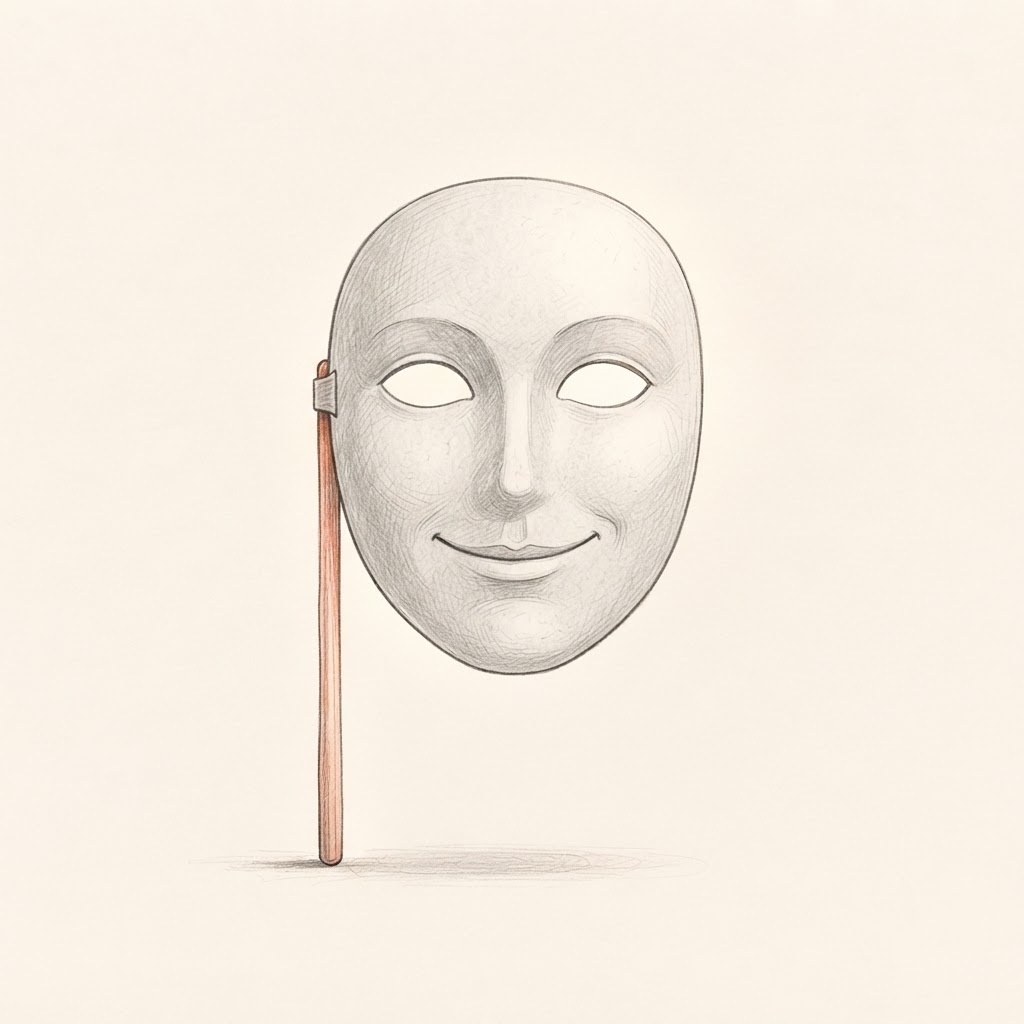
You're not dreading him. You're dreading the version of you that has to appear when he's in the room—the one who monitors, adjusts, pre-empts, and manages. She's exhausting. And she never fully rests until he's gone.
What the dread is actually measuring.
The dread is a readout. It's your body's running assessment of what that environment costs you. Not a moral judgment about him. Not a verdict about whether to stay or go. Just: this is the tax. This is what showing up here requires of me.
The relief when he leaves is the same measurement from the other direction. It's your system returning to baseline. The absence of dread is what you actually feel like when you're not managing something.
Most women in this pattern have been in it long enough that they've forgotten the baseline is supposed to be normal. They think the monitoring is just what relationships are. But it's not. It's what this relationship is.
What your body already knows.
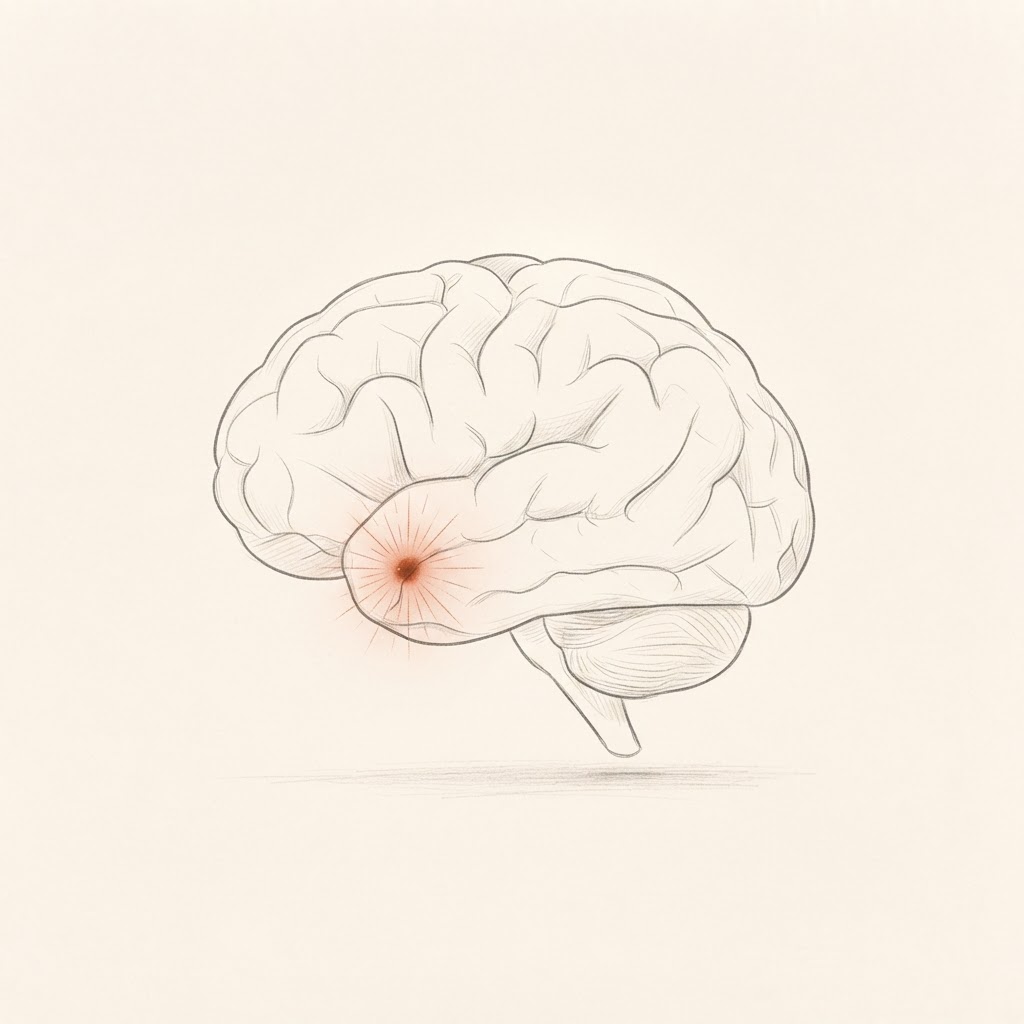
You didn't develop this scan because you're anxious by nature. You developed it because something in this environment made it necessary. Your body is adaptive. It learned what the signals mean and built a system around them.
That system is working correctly. It's giving you accurate information. The information it's giving you is: something in this space requires you to stay alert.
You can debate what that means and what to do about it later. For now, just notice: the dread is not irrational. The relief is not petty. Both are your body doing its job, which is to tell you the truth about the cost of the place you're in.
The dread before he walks in and the exhale when he leaves are the same information, delivered twice. Your body has been trying to hand you this report for a long time. This is what it says.